
Real culinary training that works
We started in 2018 because too many cooking courses promised too much and delivered too little. People spent money on vague theory and came out still unsure how to actually prep a mise en place or control heat properly.
Our seminars focus on technique. Each session breaks down a specific skill, you practice it, discuss what went wrong, and refine it. No fluff. No motivational speeches. Just structured learning with actual chefs who have spent years in professional kitchens.

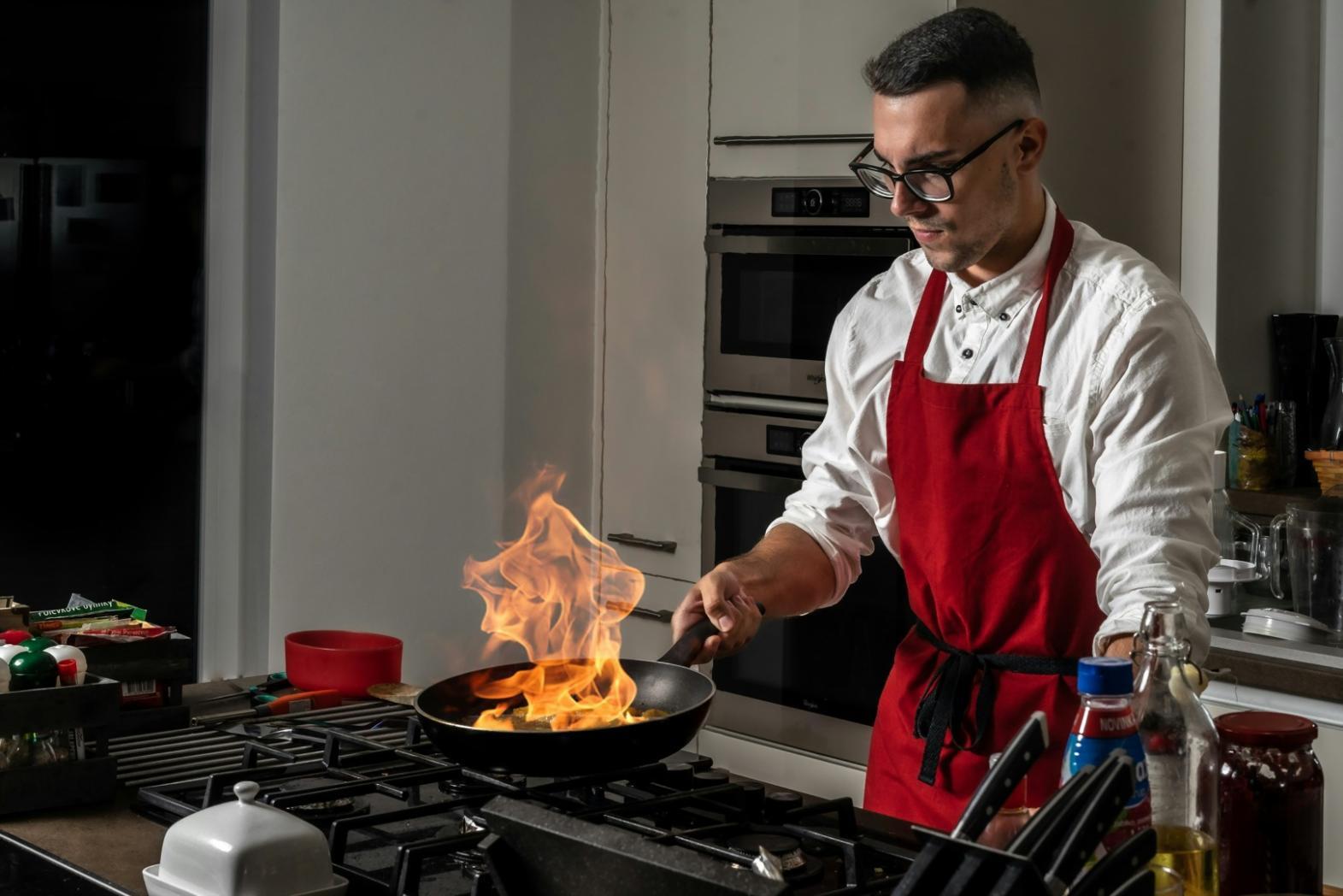
Why we built this
We saw a gap between expensive culinary school and YouTube videos. One costs too much and takes years. The other skips fundamentals and leaves you guessing. Neither gives you structured practice with feedback from people who know what they're doing.
So we created seminars that fit between those extremes. Each session targets one skill area like sauce emulsification, bread fermentation timing, or protein temperature control. You learn the technique, practice it during the session, and get direct critique from instructors who have run actual restaurant kitchens.
2018
Founded with five core seminars covering knife skills, stock reduction, and basic baking ratios. Started with 40 participants across three countries.
2020
Expanded to 30 seminars and introduced multilingual support after requests from European and Asian participants who wanted content in their first language.
2023
Added advanced modules on fermentation science and molecular techniques after consistent feedback that participants wanted to go deeper once they had solid fundamentals.
How we actually teach
Specific skills only
Each seminar isolates one technique. We don't try to teach you everything about pastry in two hours. We teach you how to laminate dough correctly so your croissants have distinct layers instead of dense bread.
Discussion built in
After demonstrations, participants share what went wrong in their attempts. Often someone else had the same problem and figured out the fix. This exchange of troubleshooting experience is usually more valuable than the initial demo.
Instructor feedback
You submit photos or videos of your practice work. Instructors point out what's off, whether it's angle of your knife, timing of heat adjustments, or consistency of your emulsion. You get specific corrections, not vague encouragement.
Structured progression
Seminars are sequenced so foundational techniques come first. You can't handle advanced sauce work if you don't understand stock reduction. The order matters, and we make it clear what to take before attempting intermediate or advanced modules.
Reference materials
Each seminar includes written breakdowns of steps, temperature ranges, timing guidelines, and common failure points. These aren't recipes. They're technical references you use when practicing on your own between sessions.
International access
Participants join from different time zones. Sessions are recorded so you can watch at your own pace, but live attendance gives you the chance to ask questions during the demonstration and participate in the group discussion.
Who runs the seminars
Our instructors have worked in professional kitchens for years. They know what actually matters when you're trying to execute a dish under pressure, and they teach accordingly.
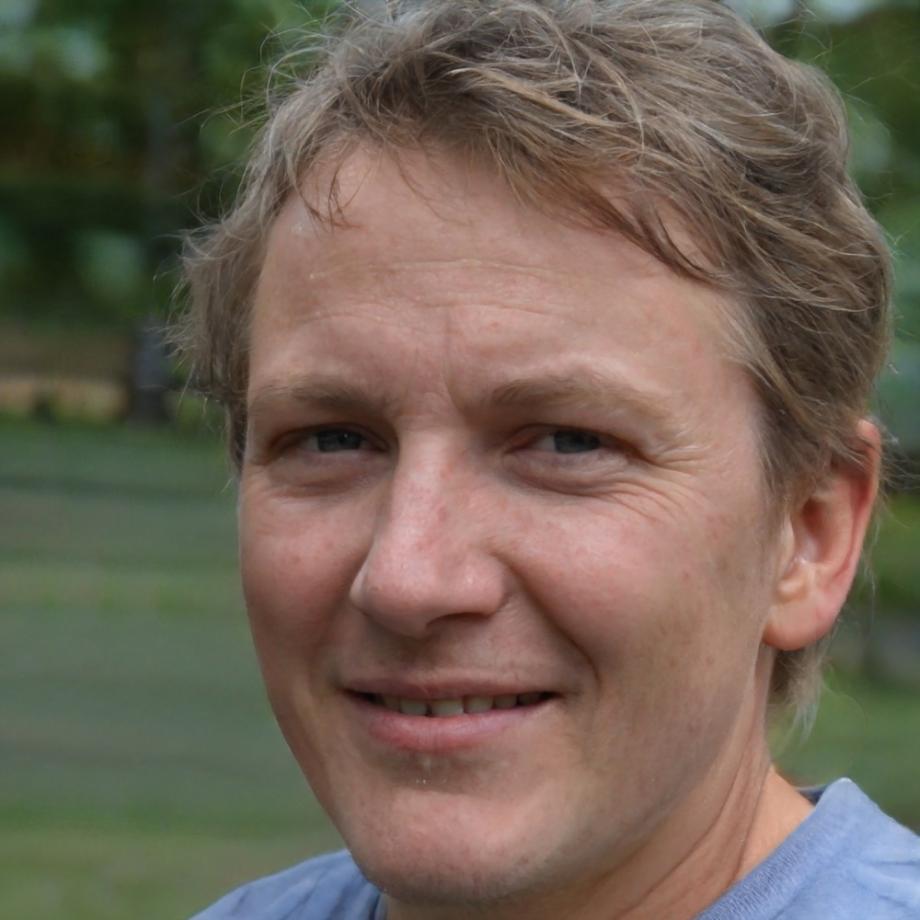
Henrik Torvald
Henrik spent eleven years running kitchens in Stockholm and Lyon before joining us. He started as a line cook, worked up to sous chef, then ran his own small restaurant for four years. He's familiar with what breaks down under service pressure.
His seminars focus on timing and heat management because those are the two things that separate home cooks from professionals. He's direct about mistakes, which some people find blunt, but his feedback is always specific enough to fix the problem.
Henrik developed our core curriculum for protein cookery and sauce construction. He also designed the progression system that ensures participants learn foundational skills before attempting complex techniques.