
Understanding Professional Culinary Education Pathways
Learning advanced cooking techniques requires structure and guidance. This page walks through our approach: selecting topics that matter, building practical skills through demonstration and practice, and connecting with peers who share your interest in culinary development.
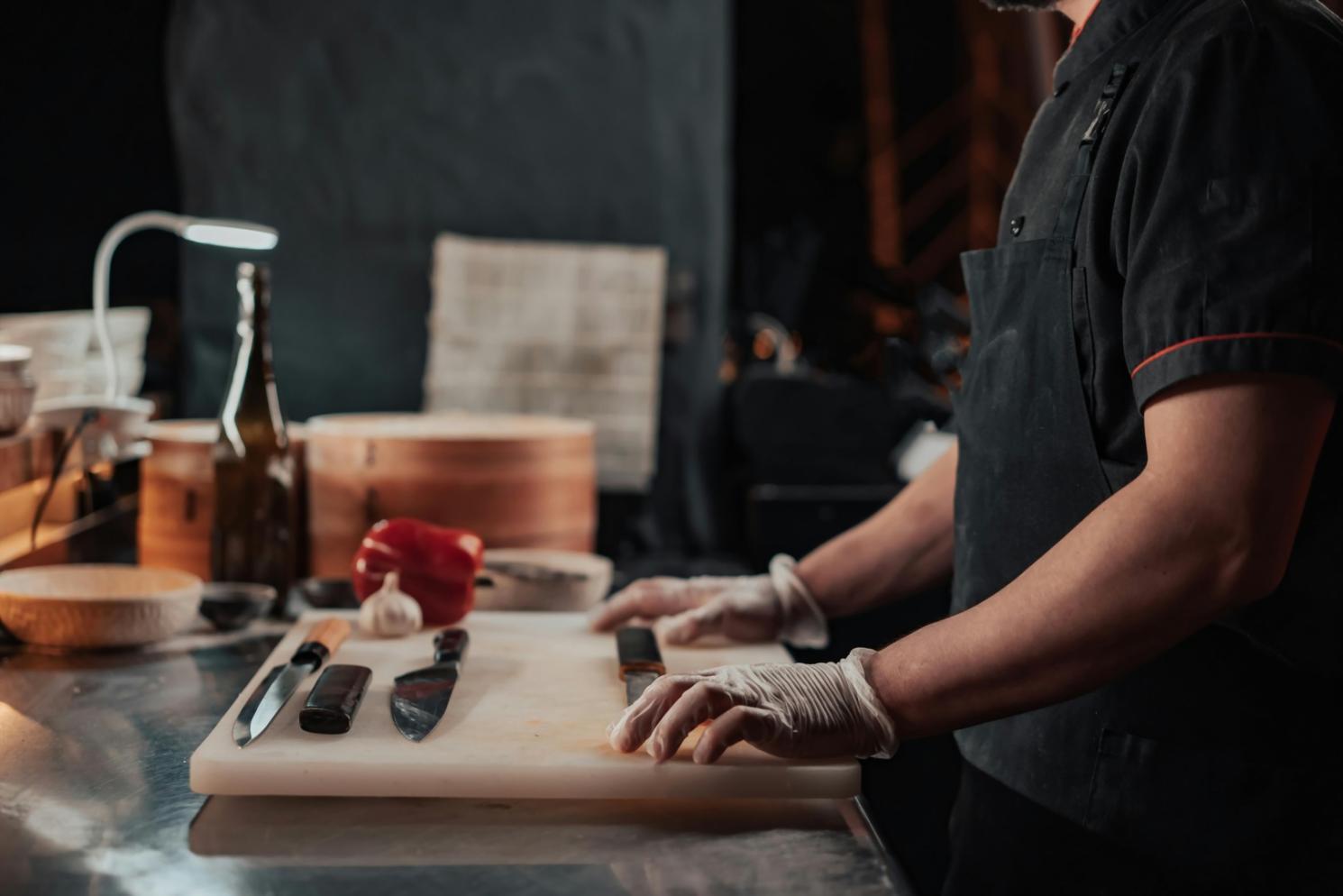
Four Components of Structured Learning
We designed this experience around clarity. Each element addresses a specific part of skill development.
Topic Selection
Sessions focus on techniques that chefs actually use. Knife work, temperature control, sauce construction, plating logic. No fluff, just practical methods.
Live Demonstration
Instructors walk through each process in real time. You see errors, corrections, timing decisions. This format answers questions that written recipes leave out.
Guided Practice
Time allocated for you to replicate what was shown. Feedback comes during this phase while the concepts are fresh. Small group size keeps attention focused.
Discussion Review
Participants share what worked, what felt unclear, and where they struggled. This builds understanding through multiple perspectives and common challenges.
Session Progression Model
Each seminar follows a consistent framework. This pattern helps participants know what to expect and allows instructors to cover material thoroughly without rushing key details.
Context Introduction
Opening segment establishes why the technique matters and where it fits in professional kitchens. Historical background when relevant, but emphasis stays on current application and decision points chefs face.
Technique Breakdown
Step-by-step demonstration with pauses for questions. Instructor highlights common errors and explains sensory cues that indicate proper execution. Participants take notes and ask for clarification.
Hands-On Application
Participants attempt the technique with materials provided. Instructor circulates, offering corrections and answering specific questions. This phase takes up significant session time because repetition builds muscle memory.
Collective Feedback
Group discusses observations and challenges. Instructor addresses recurring issues and suggests practice methods for continued improvement. Participants share insights from their own cooking experience.
Session Format Variations
Core Technique Development
These sessions target fundamental skills that underpin most professional cooking. Participants work with basic ingredients and methods, focusing on precision and consistency rather than complexity.
- Knife skills including cuts used across cuisines
- Stock preparation and flavor development
- Temperature management for proteins and starches
- Basic sauce construction and emulsification
- Mise en place organization for efficient workflow
Refined Skill Application
Builds on foundational methods with more complex preparations. Assumes participants understand basic techniques and can execute them reliably. Focus shifts to timing, multi-component dishes, and flavor balance.
- Multi-element plating with attention to composition
- Advanced sauce work including reductions and liaisons
- Pastry techniques for precision-dependent items
- Protein butchery and portion control
- Menu planning considering seasonal availability
Niche Method Exploration
Covers techniques that apply to specific contexts or culinary traditions. These sessions attract participants interested in expanding their repertoire beyond standard Western methods or exploring modern approaches.
- Fermentation processes for preserved ingredients
- Sous vide application and temperature precision
- Regional techniques from non-European traditions
- Molecular methods when scientifically grounded
- Equipment-specific skills like smoking or pressure cooking
Start With a Single Session
Browse available seminars and register for one that addresses a technique you want to improve. Sessions run regularly with different topics rotating through the schedule. No long-term commitment required.
View Current Schedule